Shopping for thca products can feel strangely complicated for something that, on the surface, is pretty simple. THCA is THCA, right? You buy it, you take it, you move on.
But the reality is messier. The “best” product is the one that matches your goals, your tolerance, your preferred format, and your expectations about flavor and effects. It also has to survive the real world: inaccurate labels, inconsistent extraction, products that oxidize, and sellers that are vague about testing. I have seen people get disappointed because they chose the wrong format for their situation, or they bought something that was marketed as “THCA flower” when it behaved more like a low-quality hemp blend.
If you are searching for best thca products or typing thca products near me and thca products sold near me, this guide is built for the decisions you actually face at checkout.
I will focus on hemp derived thca products because that is what most consumers encounter through legal-market retailers. Still, many of the same evaluation principles apply to other THCA sources, just with different regulatory constraints.
Start with the one question people skip: what are you trying to do?
THCA products are not all interchangeable. Even when the label shows the same THCA percentage, the experience can differ based on:
- How the product is made and decarboxylated, if at all The presence and balance of other cannabinoids like CBDA, CBGA, and THC (including trace amounts) Terpene profile, which influences aroma and perceived smoothness Particle size and form, which affects dosing accuracy and how fast you feel it Storage conditions, which affects oxidation and potential conversion over time
Think about your goal before you compare brands.
Are you looking for something closer to a “clear-headed” daytime option? You might prefer a more terpene-forward product with reliable lab results and a predictable dose.
Are you trying to wind down at night? You may care more about total cannabinoid richness and consistency than a specific THCA percentage.
Are you using THCA because you do not want a big psychoactive hit? Then you should be careful with products that have meaningful “active THC” content due to decarboxylation.
The right choice starts with intention, not hype.
THCA products: labels are only half the story
On a good label, THCA is listed alongside other cannabinoids and a third-party test panel. On a messy label, you get THCA numbers but no meaningful context.
Here is what I look for, and what I have learned the hard way to distrust.
1) THCA percentage versus actual THCA per serving
A high THCA percentage sounds impressive, but the product might be hard to dose consistently. For example, a vape cartridge can list THCA content that does not translate cleanly into reliable “milligrams per puff” dosing unless the manufacturer provides serving guidance.
With edibles, it is even more important to evaluate total milligrams per piece or per serving, not just percentages. I have seen gummies advertised with big-sounding THC-leaning numbers, but once you read the serving math, the real dose was modest.
When shopping online, do not just ask, “How much THCA?” Ask, “How much THCA will I take with the dose I actually plan to use?”
2) “Decarboxylation” hints on a THCA product
Many buyers want THCA specifically because THCA is the non-intoxicating precursor. However, real supply chains are not perfect. If a product has been heat-treated during processing, shipped hot, or sitting for a long time, some THCA can convert to THC.
You will usually see this reflected in the lab report: THC and/or “total THC” might be detectable, even in products positioned as low-THC.
That does not automatically mean the product is “bad.” It means you need to know what you are getting, especially if you are sensitive or if you are trying to stay below certain legal thresholds.
3) Labs: look for batch-specific reports, not generic PDFs
One of the most reliable ways to separate reputable brands from marketing-only brands is batch specificity. The best thca products will have a lab report that clearly corresponds to your exact product batch or lot.
If the seller only shares a generic certificate that never references the lot number on your bag or bottle, treat that as a red flag. I do not need perfection, but I do want accountability.
Pick the format that fits your lifestyle, not just your preference
Format drives dosing ease, speed of effects, and even how reliably you can estimate your dose.
Flower and pre-rolls
If you are buying hemp-derived THCA flower, you are buying plant material with natural variability. Even premium flower can have inconsistent density, and grinding changes how evenly it burns.
A practical advantage is that flower can be straightforward to understand: if you know how your body responds to similar hemp flower, you can adjust gradually.
A practical downside is that storage matters a lot. Flower that has been exposed to heat or light can lose terpenes and, depending on conditions, can shift cannabinoid balance over time.
Vape and concentrates
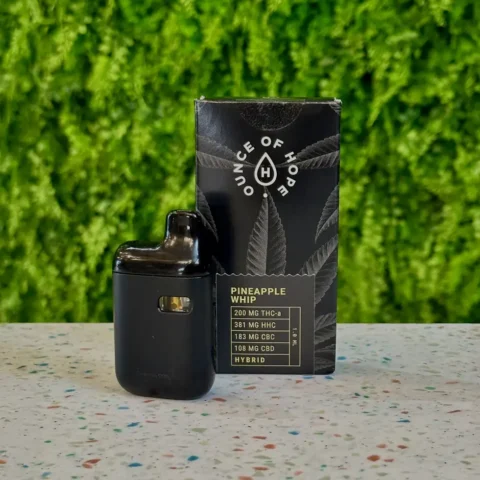
Concentrates and vapes are attractive because they offer potency and dosing control, at least in theory. In practice, you must check whether the product is designed for inhalation and whether the label provides serving guidance.
For vapes, I often look for honest statements about what is in the cartridge. Some products use distillate-like ingredients, some lean more toward terpene blends, and the “THCA distillate” wording can be used loosely.
If you are concerned about psychoactivity, vaping concentrates is a common way people accidentally dose higher than they intended, because the effects can hit faster than expected.
Oils, tinctures, and edibles
These are usually the easiest formats to dose consistently because you can measure milligrams. Tinctures can also be adjusted with small incremental changes.
Edibles can be tricky because absorption varies by person. I have seen two people take the same gummy dose, one feels it within an hour, the other feels it later and stronger. That makes label clarity and dose accuracy especially important.
When choosing edibles, also pay attention to the ingredient list. Some oils include carrier https://www.ounceofhope.com/thca/ ingredients that can affect how you tolerate the dose, especially if you have digestive sensitivity.
The real buyer’s checklist: what to verify before you buy
Here is the part that saves people time and frustration. Use this like a quick pre-flight scan before ordering.
Get the batch-specific lab report and match it to the lot number on the product or packaging Check cannabinoid breakdown, not just “THCA percentage,” especially THC and total THC values Confirm serving size math so you know how many milligrams of THCA you get per dose Inspect freshness and packaging (sealed containers, clear dates or harvest windows when available) Review contaminants testing like heavy metals, pesticides, and residual solvents where applicableThat checklist is the foundation. If a seller cannot answer those items, I would treat “best thca products” claims as marketing until proven otherwise.
How to compare brands when everything looks similar online
If you are researching thca products near me or searching thca products sold near me, you might see the same-looking packaging from different shops. That is because many retailers curate products from the same upstream manufacturers. The brand matters, but the batch and the lab report matter more.
When you compare, try this approach:
Look for a product where the THCA content makes sense relative to the format. A tincture should show predictable milligrams per serving. Flower should show cannabinoid results that align with typical hemp flower ranges, not impossible numbers that ignore plant variability. Concentrates should not hide behind vague “total cannabinoid” figures without showing THC, THCA, and other relevant cannabinoids.
Then compare the test cadence. Reputable sellers often provide updated reports frequently. If a brand’s lab results appear outdated or inconsistent across listings, be cautious.
One more detail that rarely gets discussed: shipping and storage. I have ordered products that sat in hot packaging during summer delivery, and the change in aroma was obvious even before any cannabinoid testing would have confirmed conversion. A strong brand will package to protect freshness, even if they cannot control how the logistics system performs.
Where “best” gets complicated: your sensitivity and your legal context
If you are buying hemp-derived THCA products, your legal and personal constraints can shape what “best” means.
Sensitivity and dose creep
Some people are more sensitive to THC than they expect, even at low levels. If you are one of those people, the “best thca products” for you are the ones with reliable reporting and conservative serving guidance.
I recommend starting low, regardless of what the label says. Not because you will have a bad experience, but because dosing is not a perfect science. Your sleep, hydration, and food intake can change how strong the effect feels.
Employment and travel
If you travel or have workplace rules that treat THC differently from THCA, you will want to consider how your product might affect THC exposure.
This is where the label’s THC and total THC values become critical. The safest path is to choose products that test low in THC and that have consistent batch reporting. If you have a strict policy, ask the retailer if they can provide the most recent batch results for the exact SKU you plan to buy.
Drug testing considerations
Drug tests usually target THC metabolites rather than THCA itself. Converting THCA to THC through heat or over time is one variable that can affect results.
If you are subject to testing, do not rely on marketing claims. Rely on current, batch-specific labs and talk to a qualified professional if you need clarity for your situation.
Common product traps I see in the wild
Shopping is not just about what is good, it is also about avoiding what is designed to look good.
Trap 1: “THCA” on the label, but no real cannabinoid context
Sometimes a product page makes THCA the headline but the label report is incomplete. If you only see THCA and not THC or total THC, or if those values are obscured, you are missing information you need to decide.
Trap 2: Weird serving math
Some edibles list grams of “cannabinoid” but do not clearly translate that into milligrams per piece. If you cannot calculate the dose, you cannot dose responsibly.
I have also seen products where the suggested serving is so large that it thca products creates a mismatch with typical tolerance. That is not necessarily malicious, but it is still a poor fit for most buyers.
Trap 3: Claims that ignore freshness
If a product claims to preserve terpenes but arrives with dull aroma or dry, brittle texture, the claim has to be questioned. Terpene loss might not change THCA content, but it can change your experience significantly.
Trap 4: Sellers who refuse batch info
If you ask for the lab report for the specific lot you are buying and the seller dodges the question, walk away. You do not need to become a detective, but you should insist on basic transparency.
If you are shopping in person, here’s how to ask without sounding difficult
When you look up thca products sold near me, you may prefer to smell, inspect, and compare. That is smart. Just pair it with the right questions.
Here is a short set you can ask the staff, and you should expect a clear answer:
“Can you show the batch-specific lab report for this exact lot?” “What is the THC and total THC number on that report?” “How many milligrams of THCA are in one serving or dose?” “Is there any heat processing or decarboxylation involved in this product’s production?”Good retailers will answer quickly. If you get vague responses or they try to steer you away from details, that tells you what you need to know.
Real-world examples: how different buyers pick different “best” options
A label can look identical across products, but buyers are not identical.
Example 1: the careful beginner
A friend of mine wanted something gentle after a long day. They disliked strong intoxication, but they wanted the “cannabinoid feel.” They chose a tincture with clear serving math and a lab report that showed low THC. They started with a small measured dose and stayed consistent for a week. The best part for them was predictability, not maximum potency.
Example 2: the flower loyalist
Another buyer prefers inhalation and already understands how hemp flower affects them. They cared about aroma and burn quality. They chose a flower product with a strong terpene profile and a fresh-pack date. Their “best” option was the one that smelled alive and did not crumble into dust. In their case, they did not chase the highest THCA percentage, because their experience depended more on overall plant quality.
Example 3: the night-time user
Someone else wanted help winding down and chose an edible. They paid attention to milligrams per piece and THC-related lab results. Their “best” choice was the edible that gave them a reliable dose without making them feel overly heavy the next morning. That came down to dosing, not marketing.
These examples show the same pattern: “best” is personal, and the label is a tool for matching your body and your routine.
Storage and handling: the silent factor that changes outcomes
If you want your THCA product to behave the way the lab report suggests, storage matters.
Keep products sealed, away from strong light, and away from hot air. For flower, an airtight container and cooler storage help preserve aroma and reduce quality drift. For oils and edibles, heat exposure can accelerate changes in cannabinoid profile and flavor.
One practical tip: when you open a product, note how it smells on day one. If the aroma fades quickly after a few days, it might indicate poor packaging integrity. That does not automatically mean it is unsafe, but it does mean the experience you pay for might deteriorate faster than you want.
How to spot honest marketing versus sales pressure
Some sellers will tell you what they do, and what they do not control. That honesty is a green flag.
Honest marketing sounds like:
- “Here is the lab report for this lot.” “Here is the serving math.” “Here is how this product is made.” “Here is what to expect at low doses.”
Sales pressure sounds like:
- “Trust us, THCA is non-intoxicating” without lab numbers “No need to check labs” or “The numbers are private” “Everyone feels it the same way” Only vague “total cannabinoid” claims
If you are trying to find hemp derived thca products that perform consistently, you want the first kind of marketing. You deserve clarity, especially when you are spending your money.
Final guidance: choosing the best THCA products is about control
You do not need the most expensive product to get the best experience. You need the most controllable one for your goals.
The best thca products tend to share a few traits:
- Clear and batch-specific testing Real cannabinoid breakdown, not just THCA headlines Dose clarity you can calculate without guessing Packaging that protects freshness Retailers who answer questions without dodging
If you are shopping online, use the checklist and insist on batch lab reports. If you are using thca products near me searches, ask for the same information in person. The best purchase is rarely the flashiest one, it is the one you can verify.
That mindset will keep you from wasting money on products that are “probably fine,” and it will help you find options that actually match how you want to feel.